Controller
Connects to the tap, opens and closes water with a solenoid valve and measures the quantity of water delivered. It communicates with the app and coordinates downstream SDUs.
 Philla
 Philla Core
Not just minutes. Water actually delivered.
This page describes Philla Core: the system designed to water pots with a measurable dose. The same architecture, based on point-level control, measurement of delivered water and the app, can evolve over time toward new functions.
How Philla Core is built
This page is only about Philla Core. The system starts from the terrace water point: the Controller commands and measures water, powers and coordinates the Smart Drip Units, SDUs open the outlets toward pots and the app makes configuration, cycles, history and alerts readable.
Connects to the tap, opens and closes water with a solenoid valve and measures the quantity of water delivered. It communicates with the app and coordinates downstream SDUs.
Each SDU receives water, power and commands from the Controller. It opens the outlets toward individual plants only when required by the irrigation cycle.
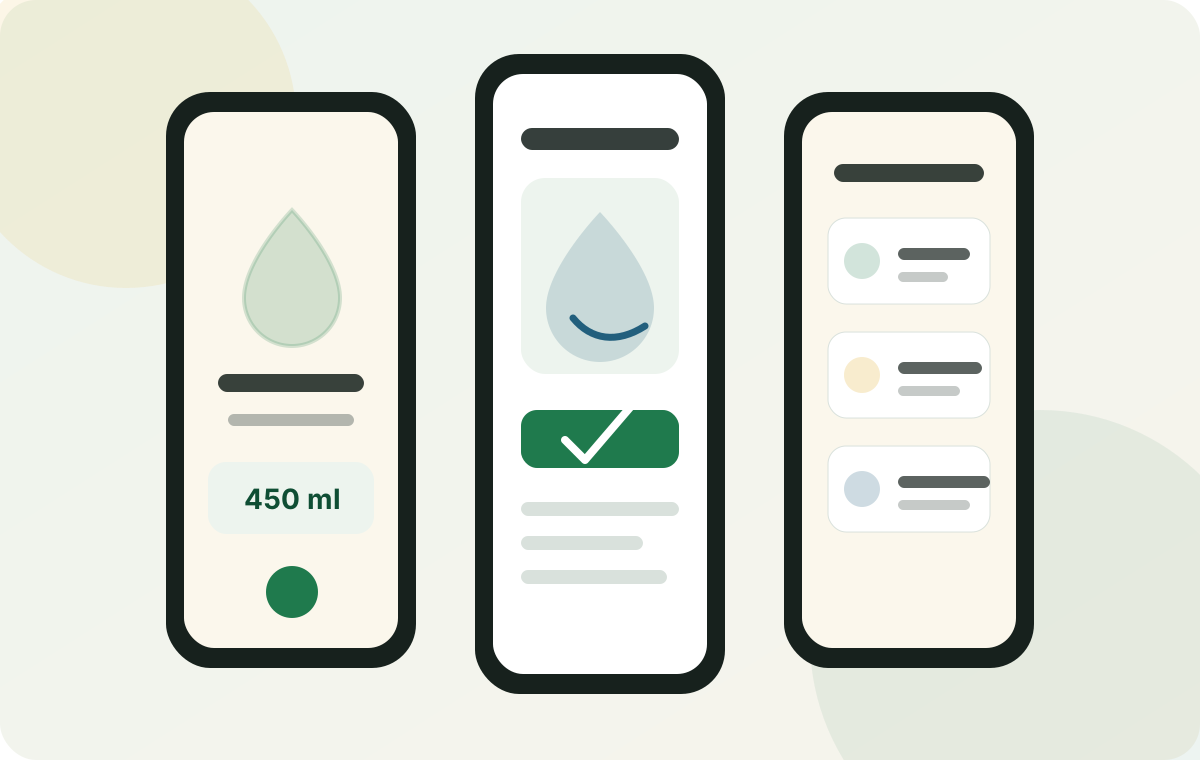
Each pot has a readable configuration: name, position, expected dose and cycle history.
Lets users configure pots, set doses, monitor cycles and receive clear notifications about outcomes and anomalies.
The Controller communicates with the app through MQTT on a TCP/IP network, normally via Wi-Fi, and also keeps a Bluetooth interface for local setup and control.
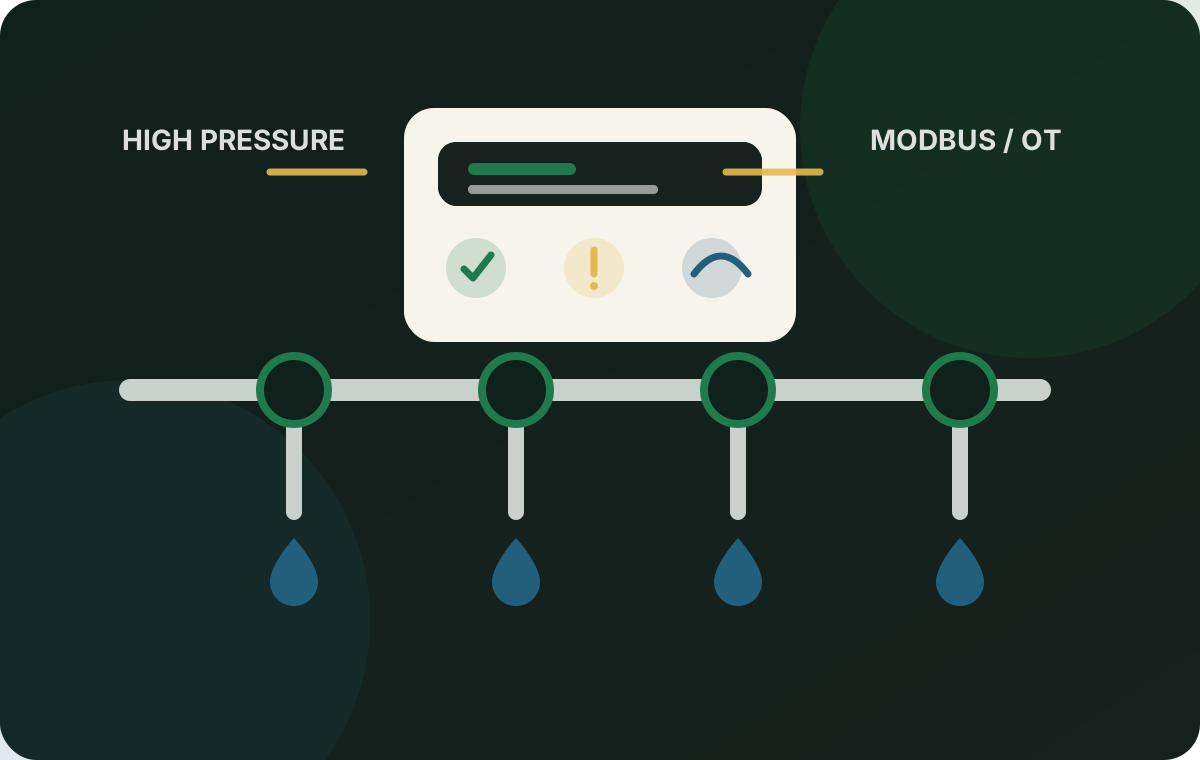
SDUs communicate with the Controller through Modbus RTU on an RS-485 bus. Between Controller and SDUs, power and communication travel in the same four-core cable: VDC, GND, RS-485 A and RS-485 B.
What this page covers
Current benefit
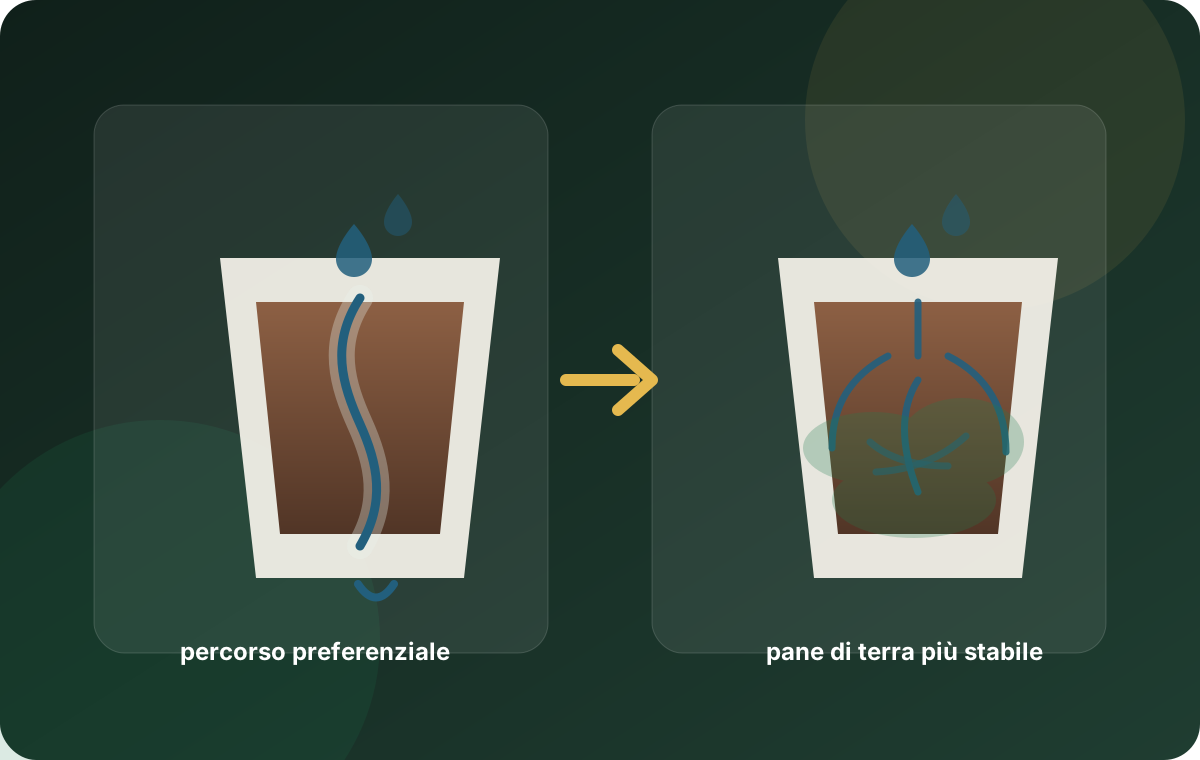
In systems programmed only by time, water can move quickly through the root ball and leave from the bottom of the pot. Water appears to arrive, but part of it may not actually be retained.
Philla works on dose and feedback. Keeping the root ball in steadier conditions helps reduce the risk of unnecessary dripping, ineffective irrigation and water lost on the terrace.
Weather and context
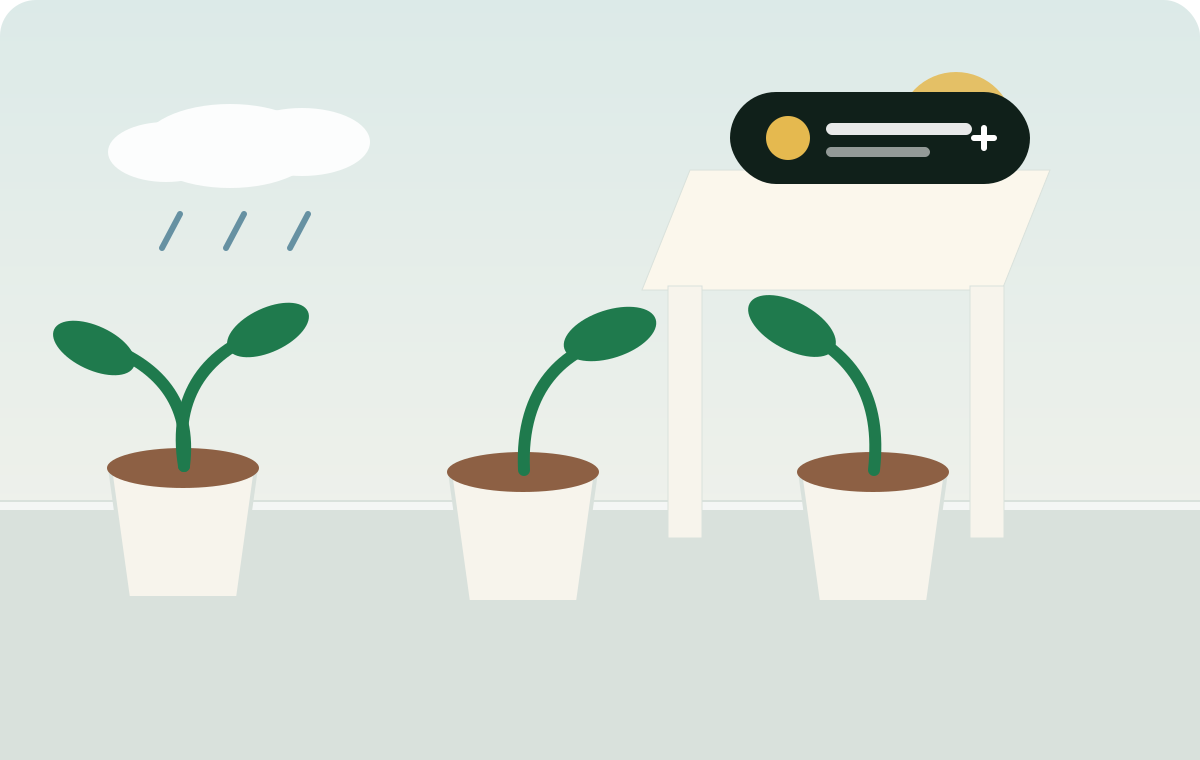
Real terraces and balconies are not uniform. One part can be exposed to rain, another protected by roofs, awnings, verandas or walls. Philla can consider these differences before starting a cycle.
If rain actually reaches it, the cycle can be skipped or postponed.
Under a roof or veranda, it can still receive water when needed.
Guests, clean floors or maintenance work may require a temporary pause.
Pots in sun, shade or wind do not all behave in the same way.
Preventive checks
Philla can run checks on installation integrity and observe flow variations, blockages, limescale, fittings or emitters that behave differently from expected over time.
App and history
The app is not only for starting or stopping irrigation. It is for reading what normally remains invisible: expected dose, cycle outcome, history and targeted checks.
You know how much water each pot should receive.
You know whether irrigation was completed.
You see how behavior changes over time.
If action is needed, you know where to look.
Enabled evolutions
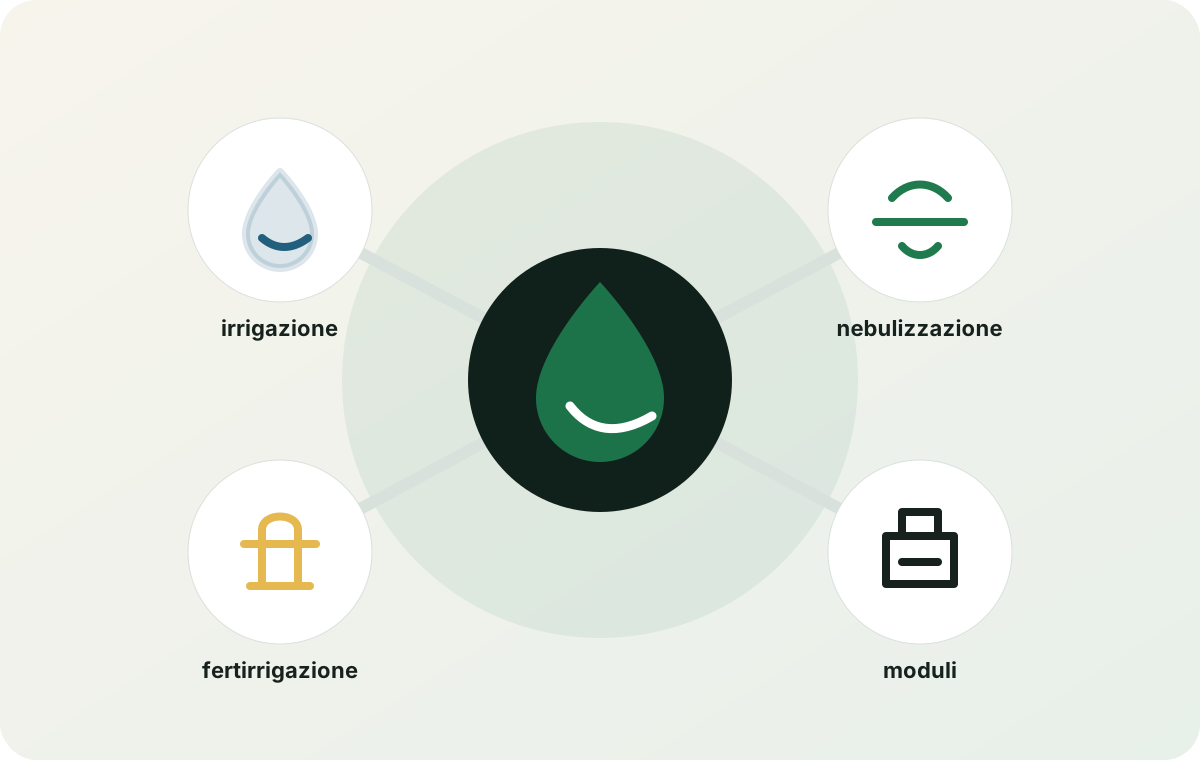
The following functions do not necessarily describe products available today. They are examples of how a controlled hydraulic network can grow over time, using dedicated lines, specific modules and suitable configurations. Where planned, some evolutions can also use high-pressure operation.
Some outlet points can be dedicated not to watering a pot, but to misting. In this way, Philla Core can become the base for cooling certain terrace areas with short, controlled cycles, kept separate from pot irrigation cycles.
For a fertigation function, an upstream diverter or mixer can add liquid fertilizer to water and distribute it with a dedicated program, keeping a readable history of performed cycles.
Some outlet points can be dedicated not to watering a pot, but to distributing repellent liquids or specific treatments for outdoor spaces, where technically correct and legally allowed.
Philla Core
Philla connects pots, installation, measurement and app into a system readable pot by pot.